

Bridge Design & Construction
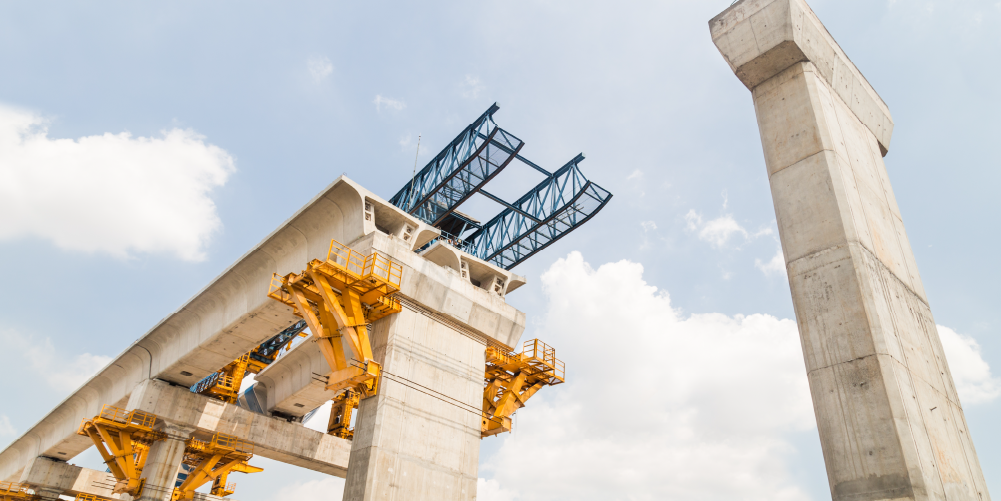
We handle the full spectrum of bridge projects, from simple pedestrian footbridges in rural communities to major river crossings on national highways and economic corridors.
Our designs incorporate advanced materials and construction techniques, including:
- Prestressed concrete for long spans, high load capacity, and reduced maintenance
- Composite steel-concrete systems for efficient, lightweight superstructures with excellent strength-to-weight ratios
- Modern formwork systems (e.g., modular, traveling, or jump formwork) to accelerate construction, improve quality control, and minimize environmental disruption
Every project begins with comprehensive site investigations, hydrological and geotechnical studies, structural analysis, and detailed design to meet GHA/MRH geometric, loading, and durability requirements. We ensure proper alignment, adequate clearance, seismic considerations (where applicable), and integration with road networks for smooth traffic flow. Our bridges feature robust foundations, scour-resistant piers, expansion joints, bearings, railings, and surfacing tailored to Ghana’s climate—resisting corrosion from humidity, heavy rains, and occasional flooding.
This expertise supports critical infrastructure like crossings over the Volta, Pra, and other major rivers, enhancing connectivity, trade, and rural access while prioritizing safety and longevity.
Structural Assessment & Strengthening
We extend the service life of existing bridges through rigorous structural assessment and targeted strengthening interventions—vital for Ghana’s aging bridge stock exposed to increasing traffic and extreme weather.
Our services include:
- Load rating using analytical methods to determine current capacity against modern traffic loads (per GHA standards and bridge inspection guidelines)
- Non-destructive testing (NDT) techniques—such as ultrasonic pulse velocity, rebound hammer, ground-penetrating radar, and half-cell potential—to evaluate concrete integrity, steel corrosion, and hidden defects without damage
- Retrofit solutions like carbon fiber reinforcement, external post-tensioning, jacketing of piers/columns, bearing replacement, scour countermeasures, and seismic upgrades
These assessments inform prioritized rehabilitation plans, preventing failures, reducing replacement costs, and ensuring compliance with safety standards. We support GHA, Department of Feeder Roads (DFR), and local authorities in maintaining reliable networks through proactive management.
Cut-and-Cover Tunnels
For urban environments with space constraints or dense utilities, we specialize in cut-and-cover tunnels—ideal for pedestrian underpasses, utility corridors, service ducts, or vehicular underpasses beneath busy roads and railways in cities like Accra, Kumasi, and Tema.
Our approach involves:
- Excavation within shored trenches
- Construction of reinforced concrete box structures
- Backfilling and surface restoration
We incorporate waterproofing, drainage systems, ventilation (where needed), lighting, and safety features to create functional, low-maintenance passages. Designs account for soil conditions, groundwater, traffic loading, and minimal surface disruption—ensuring compliance with urban planning and environmental regulations while improving pedestrian safety and utility integration.
Hydraulic Modeling
Water is a primary threat to infrastructure in Ghana’s high-rainfall, flood-prone regions. We perform advanced hydraulic modeling to design structures that respect natural waterways, mitigate flood risks, and ensure long-term resilience.
Using industry-standard software and methods (aligned with GHA/DFR hydrology guidelines and manuals like those in the Low Volume Roads series), we:
- Model flood flows, water levels, velocities, and backwater effects
- Calculate design discharges for appropriate return periods (considering climate variability)
- Optimize waterway openings to prevent overtopping or excessive constriction
- Design scour protection measures—such as riprap aprons, gabions, concrete aprons, guide banks, and energy dissipators—to protect foundations from erosion during peak floods
- Incorporate resilient features like higher freeboard, robust abutments, and adaptive designs for changing rainfall patterns
This ensures bridges and tunnels remain operational during heavy rains, reduce maintenance needs, protect ecosystems, and safeguard communities from flooding impacts.
With our skilled structural engineers, modern modeling tools, and proven experience delivering bridge and tunnel projects in Ghana’s diverse conditions—from coastal zones to savanna interiors—we build infrastructure that stands the test of time, supports economic growth, and enhances safety. Contact us to discuss how we can engineer reliable crossings and passages for your next project.

Start Your Projects
24/7 Our Support
| +233 244 820 653 |
| + 233 242 313 128 |